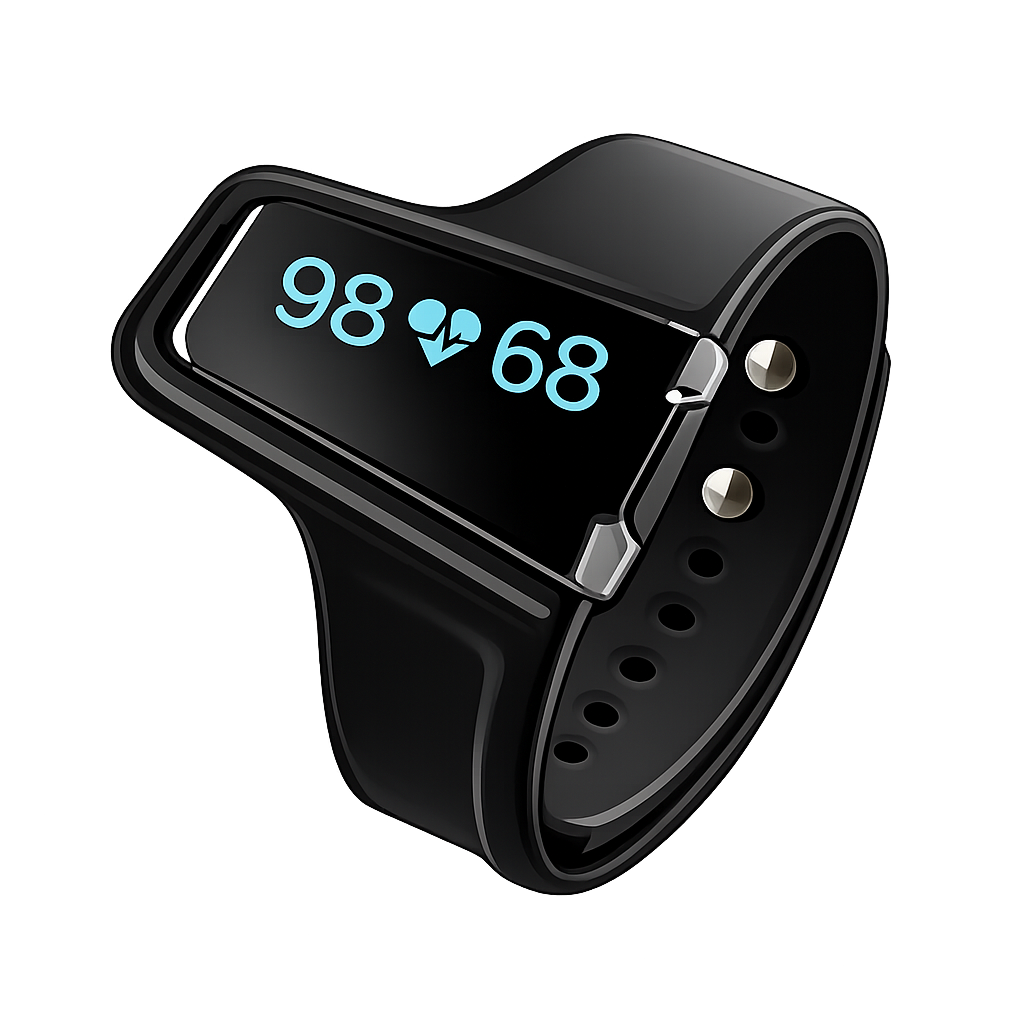
SpO2
Blood oxygen saturation before, during and after chamber exposure.

PHYSIVRA is a research platform for structured observation of physiological response before, during and after hyperbaric oxygen therapy sessions.
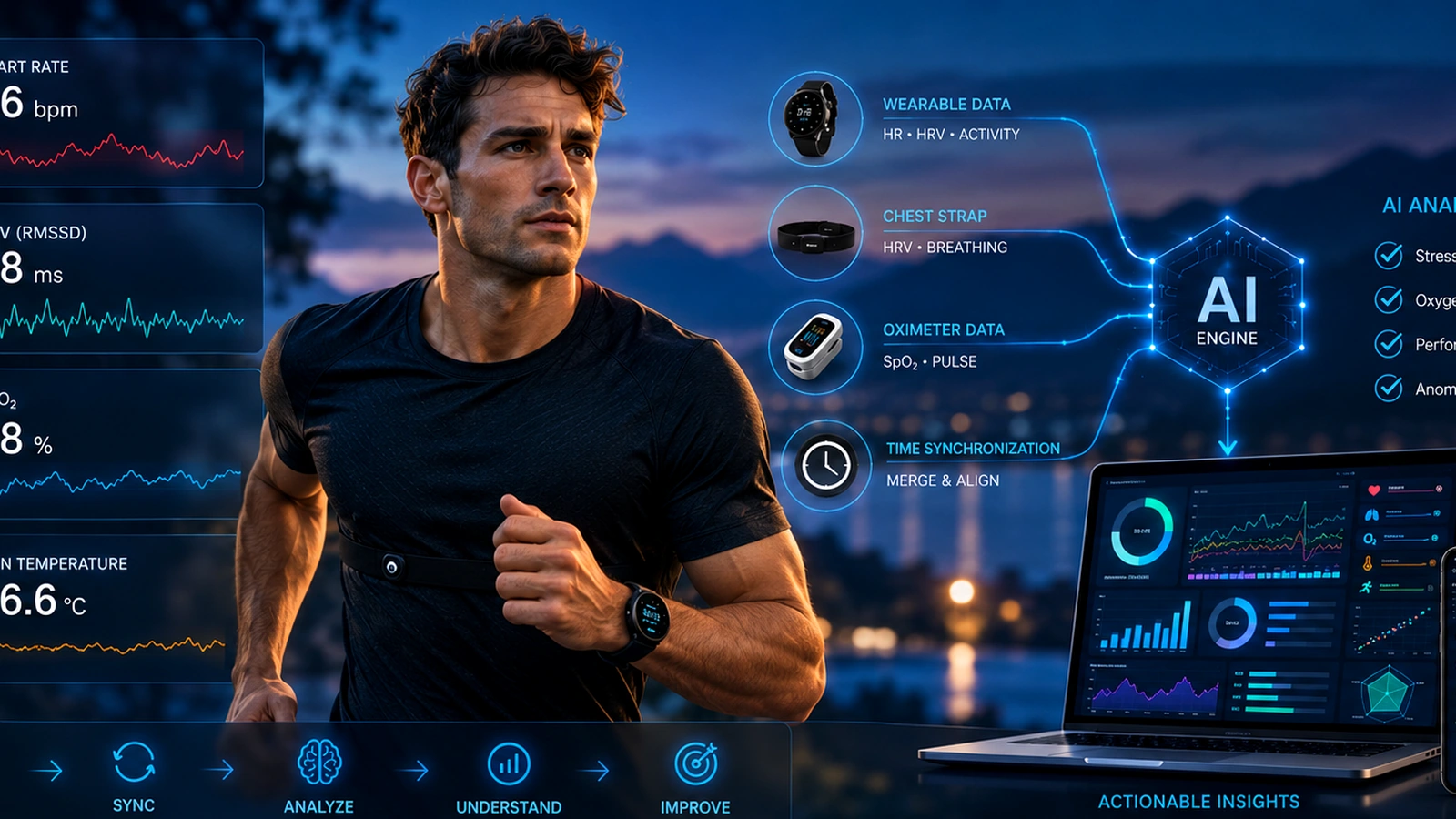
The platform focuses on research-grade signals that help evaluate oxygenation, cardiovascular response and recovery patterns.
Blood oxygen saturation before, during and after chamber exposure.
Pulse from the SpO2/pulse timeline and heart rate from the HR/HRV timeline.
Heart rate variability from RR intervals for autonomic response review.
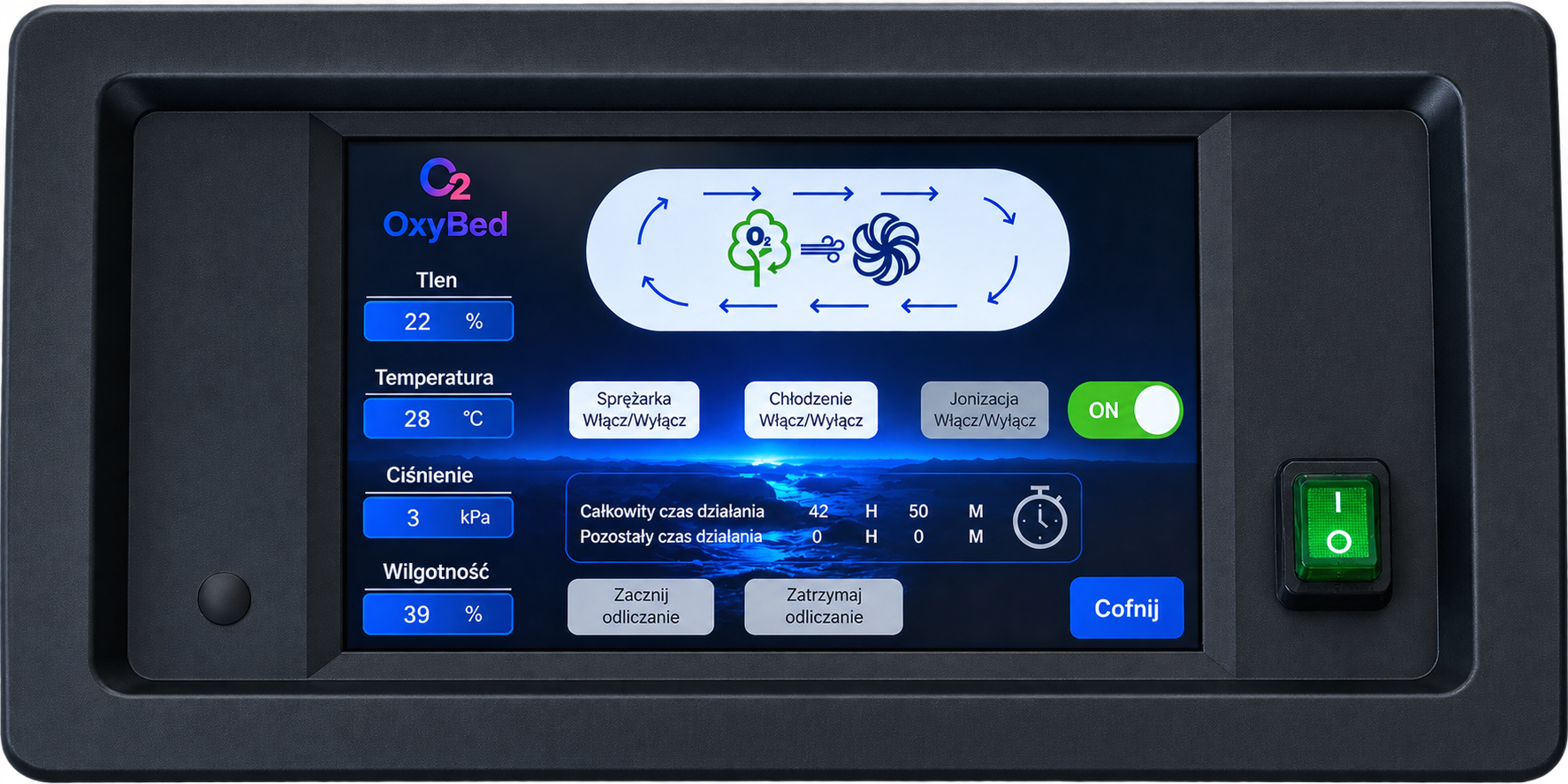
PHYSIVRA combines chamber context, wearable data and pulse oximeter measurements into one synchronized session record. This makes it easier to review sensor quality, compare check-in and recovery response, and inspect the synchronized session timeline.
Each stage preserves context for later analysis and report generation.
Record SpO2 and pulse before entering the chamber.
Collect HR/HRV and SpO2/pulse timelines during the session.
Compare post-session values with baseline response.
Generate score, session flags, findings and wellness report output.
The goal is not diagnosis. The goal is clean, inspectable data that supports repeatable research review.
Structured signals reduce reliance on subjective notes after a session.
Check-in to recovery comparison helps show how oxygenation and pulse changed.
Low SpO2, elevated pulse/HR or low HRV are highlighted for review.
PHYSIVRA is a wellness monitoring platform. AI scores and session flags are not a medical diagnosis and should not replace clinical evaluation.